
ATR-connected runners shine in the South!

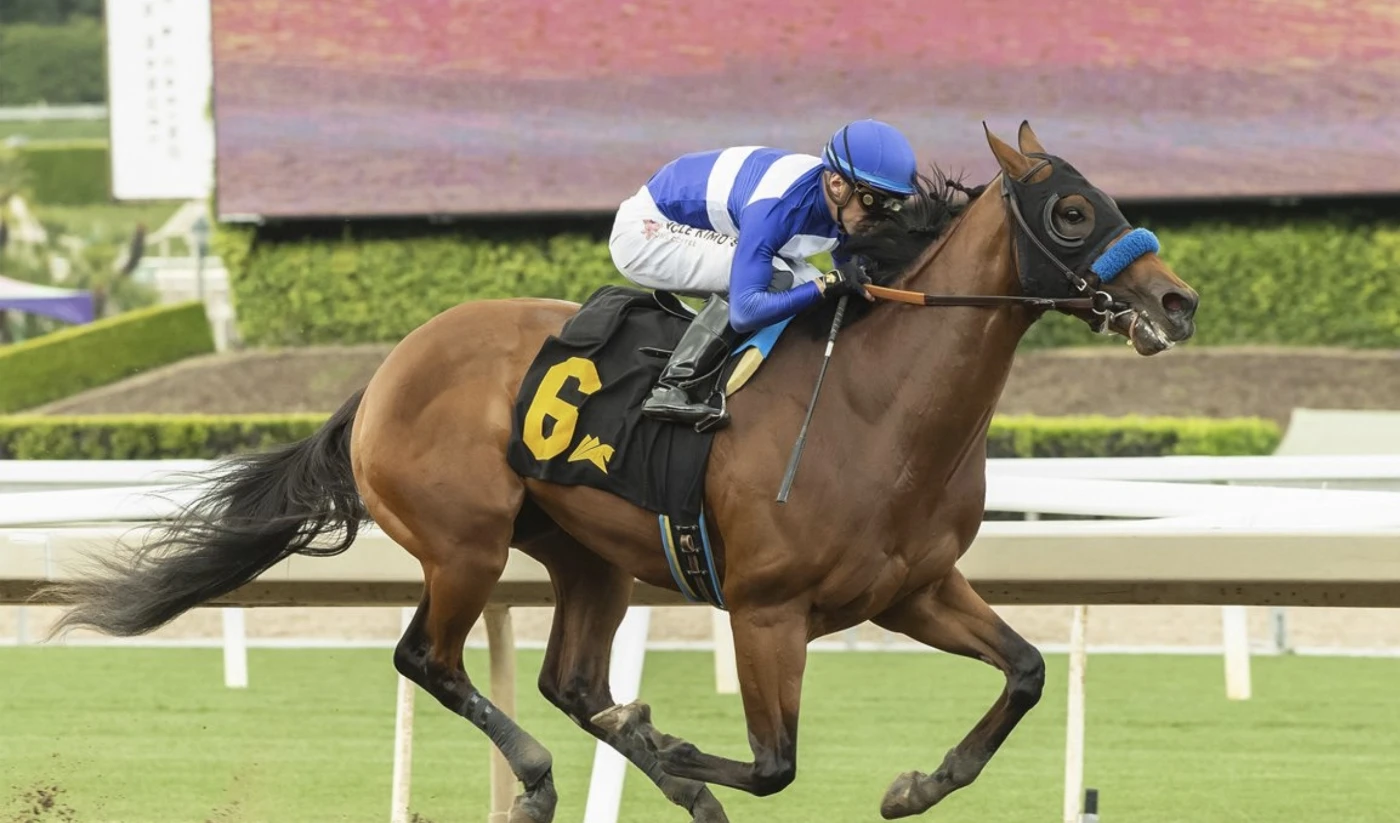
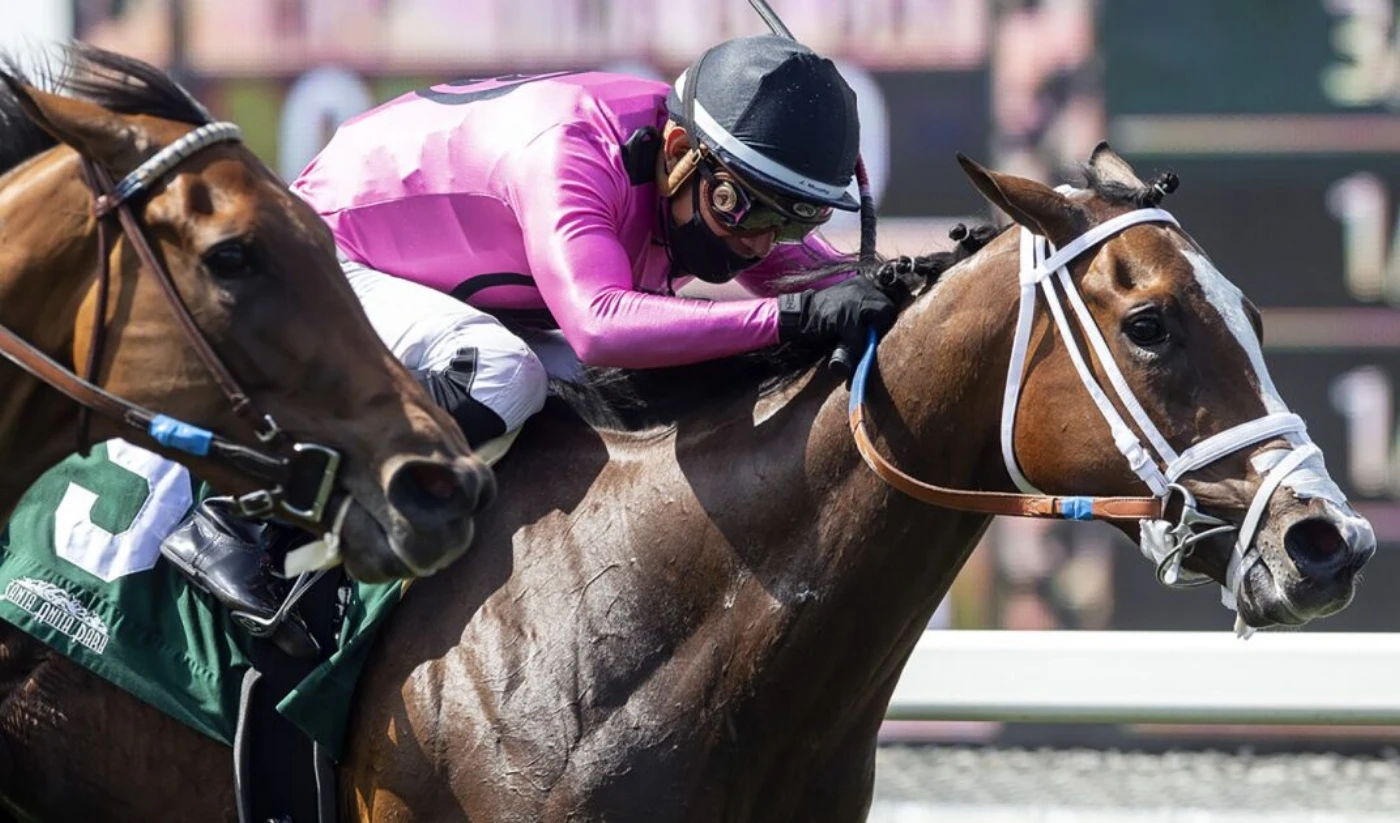
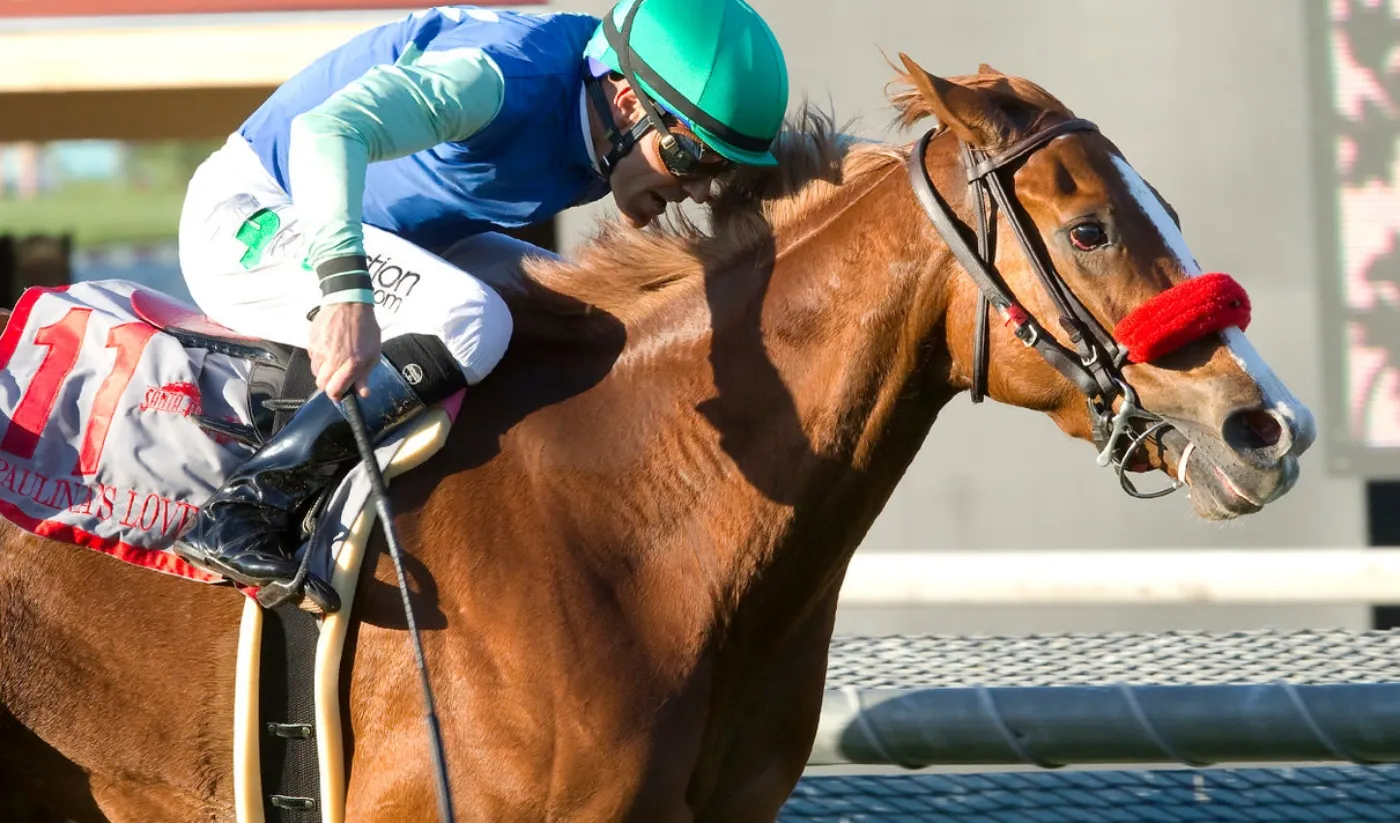
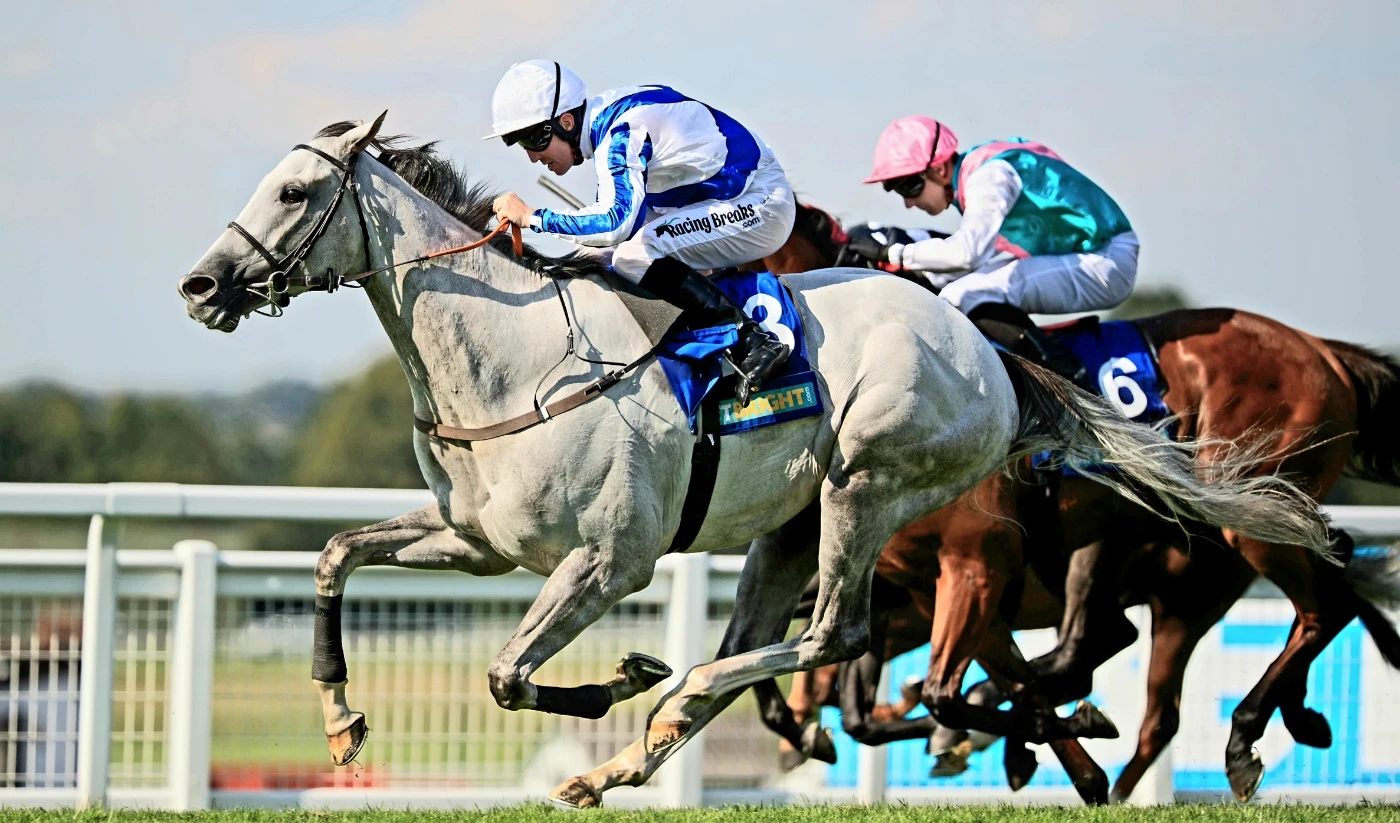
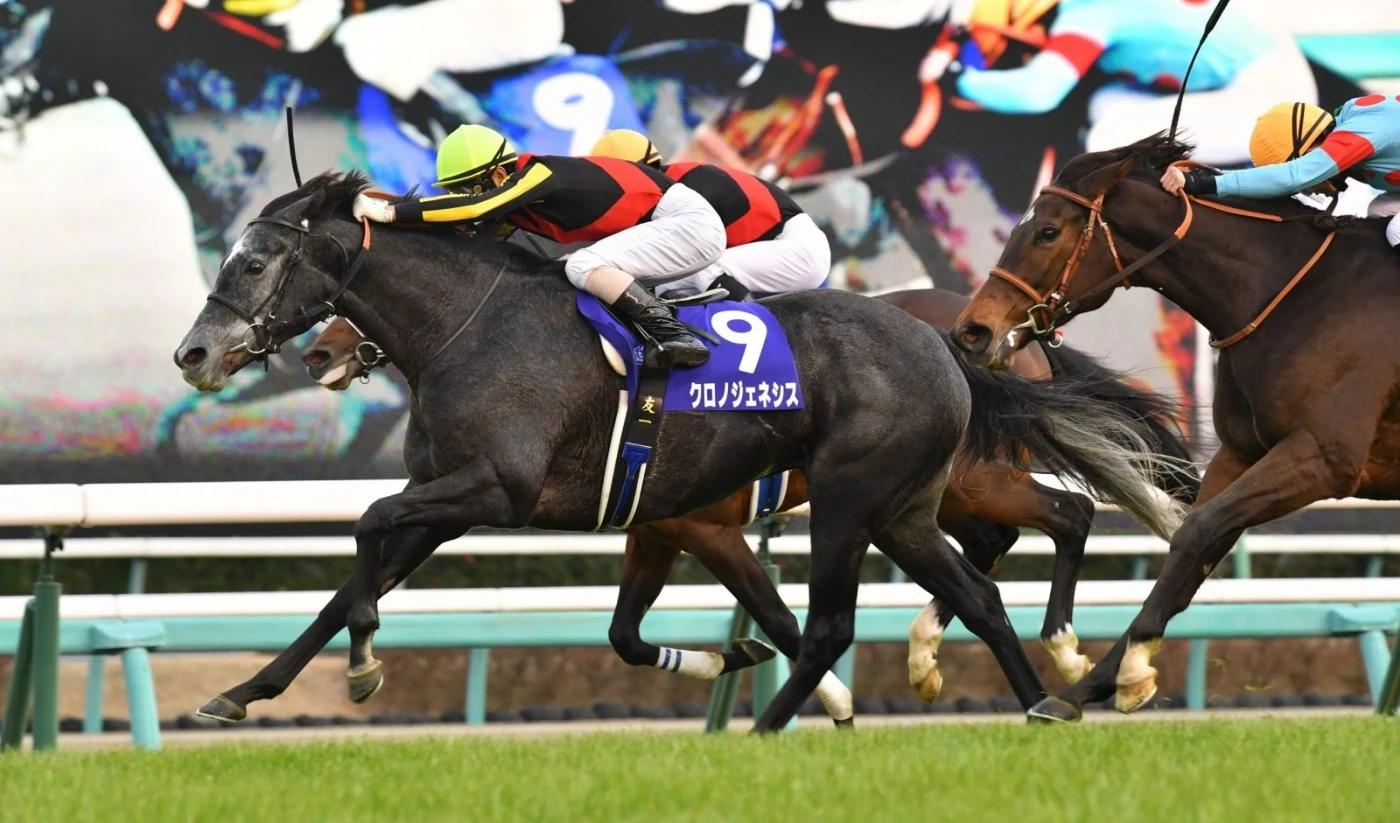
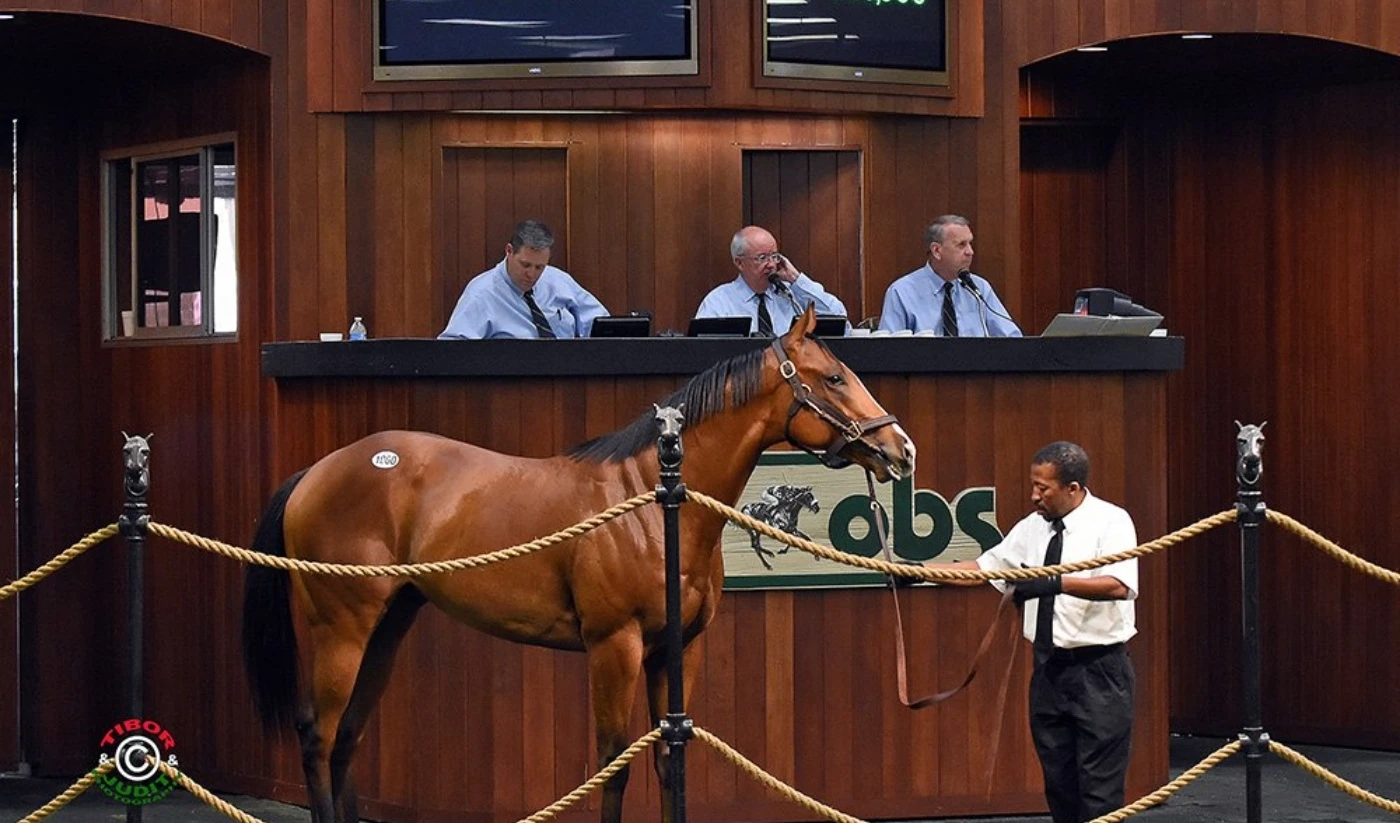
Elle A Gent, a $52,000 ATR purchase at Keeneland September (later pinhooked for $450,000 at Barretts March), breaks her maiden impressively at the Fair Grounds Sunday for Southern Equine Stable.

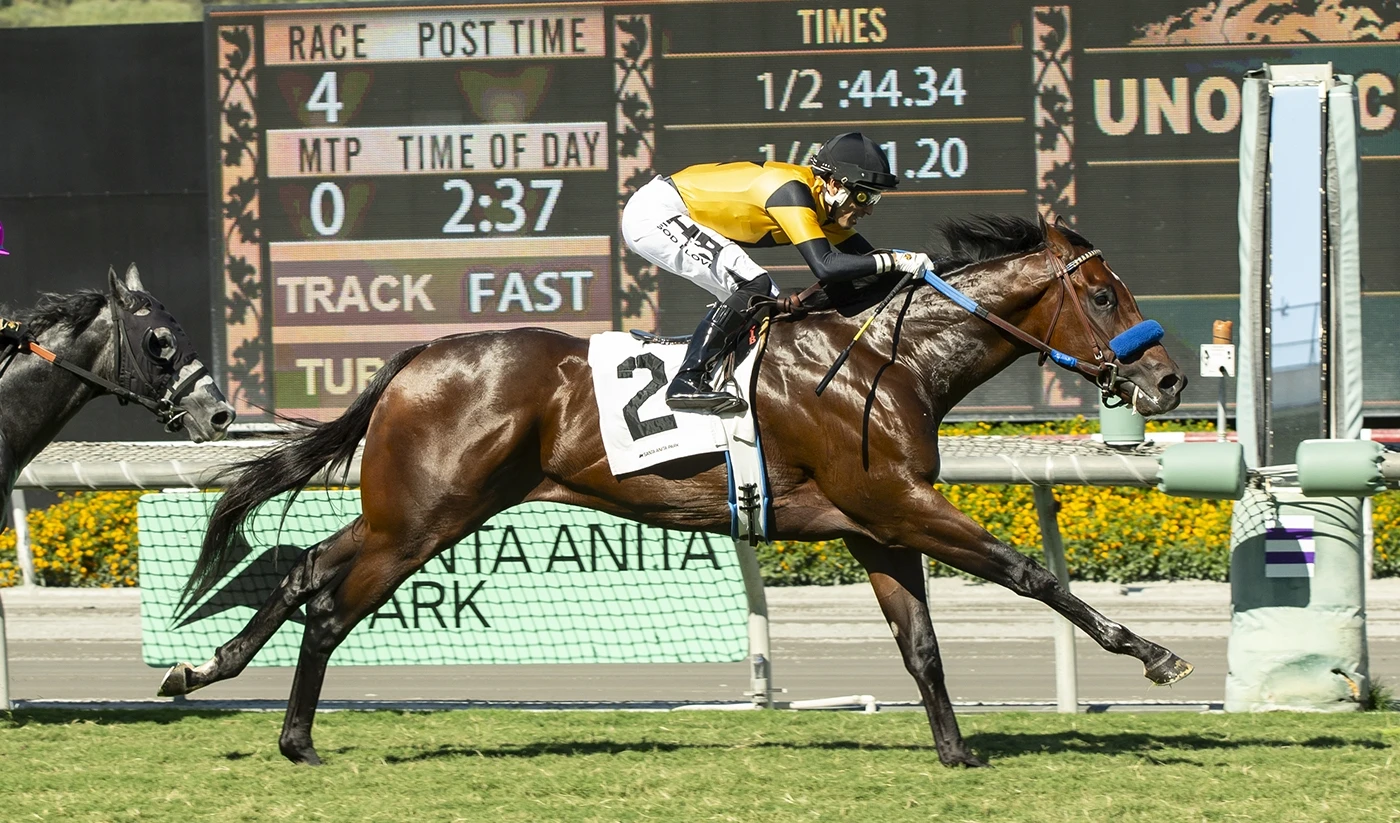
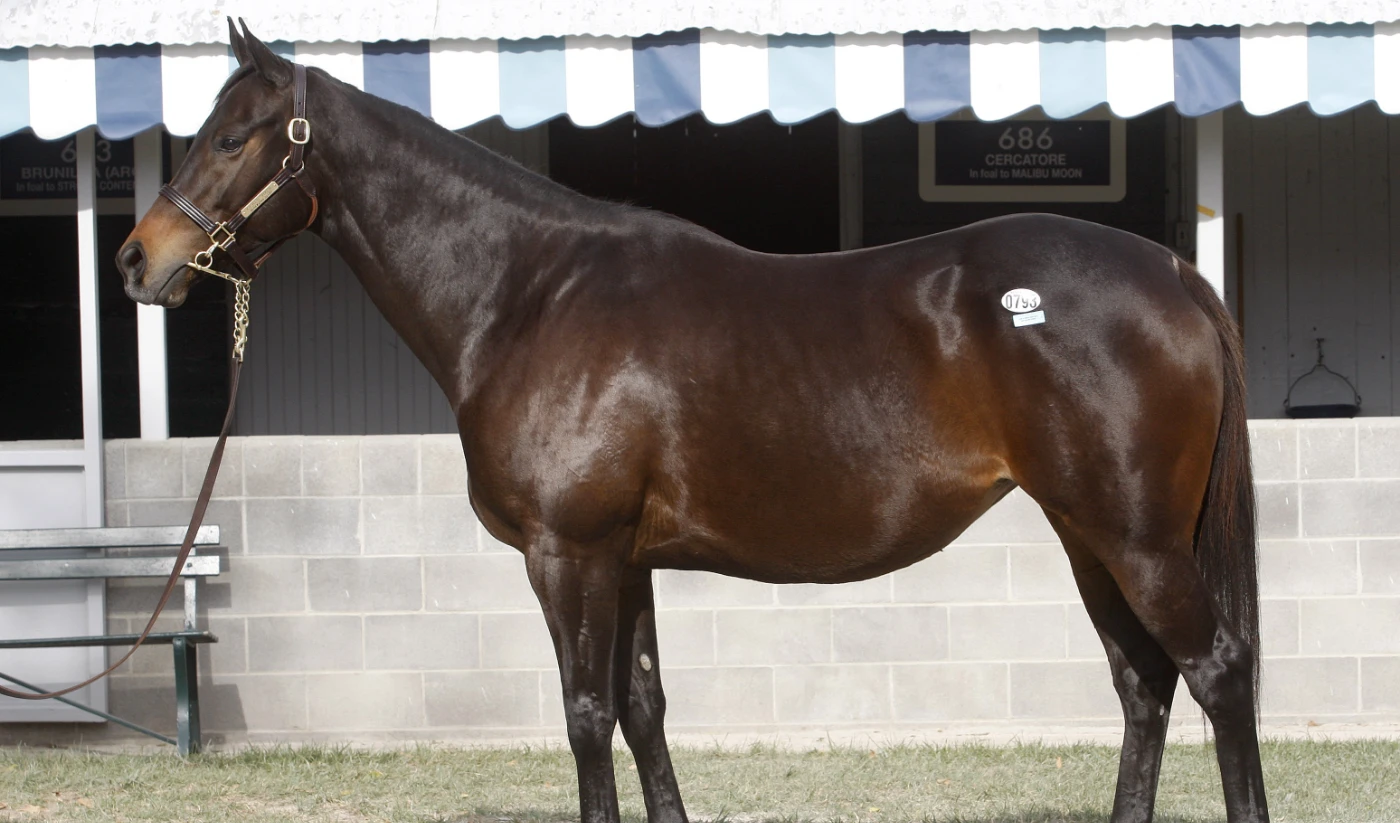
Normandy Shore, purchased by ATR for just $6,500 as a weanling at Keeneland November, sets a new track record Tuesday while toying with allowance foes at Delta Downs.  Congratulations to owner and longtime ATR client April McCurry!

Congratulations to Stonestreet Stables and Steve Asmussen on Island Soul's impressive maiden score at the Fair Grounds Sunday.  A former $170,000 OBS March two year old, Island Soul's dam was purchased by ATR for just $27,000 at the 2007 Keeneland November sale.

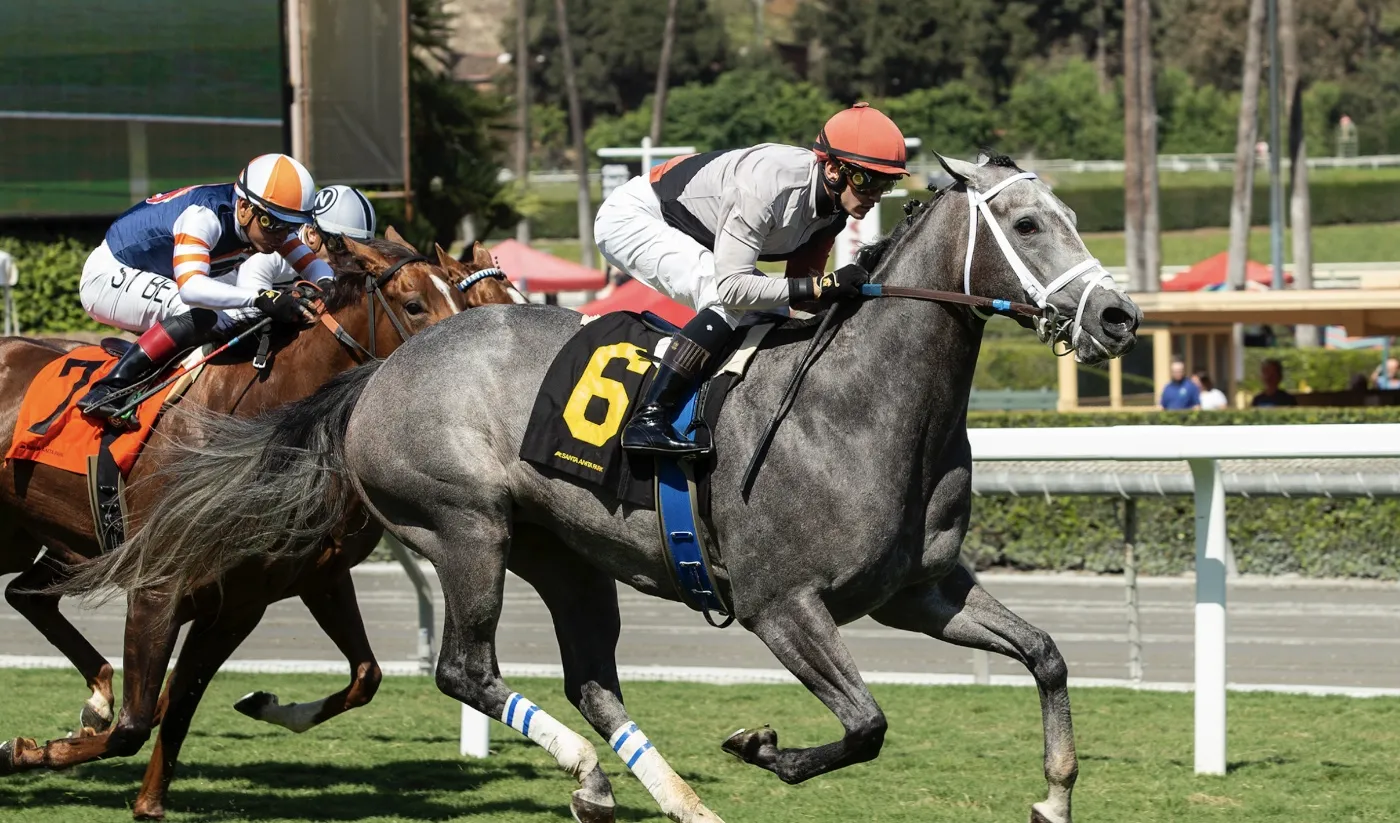
Already G3-placed, All Due Respect broke her maiden in dominating fashion Saturday at the Fair Grounds, winning the 8.5 furlong event by 7.5 widening lengths.  All Due Respect's dam was purchased for just $14,000 as a broodmare prospect at Fasig-Tipton February.

Congratulations to the connections of Handleman after his impressive second place finish against allowance company Saturday at the Fair Grounds.  Handleman was purchased by ATR in utero for just $9,000 at Barretts October.

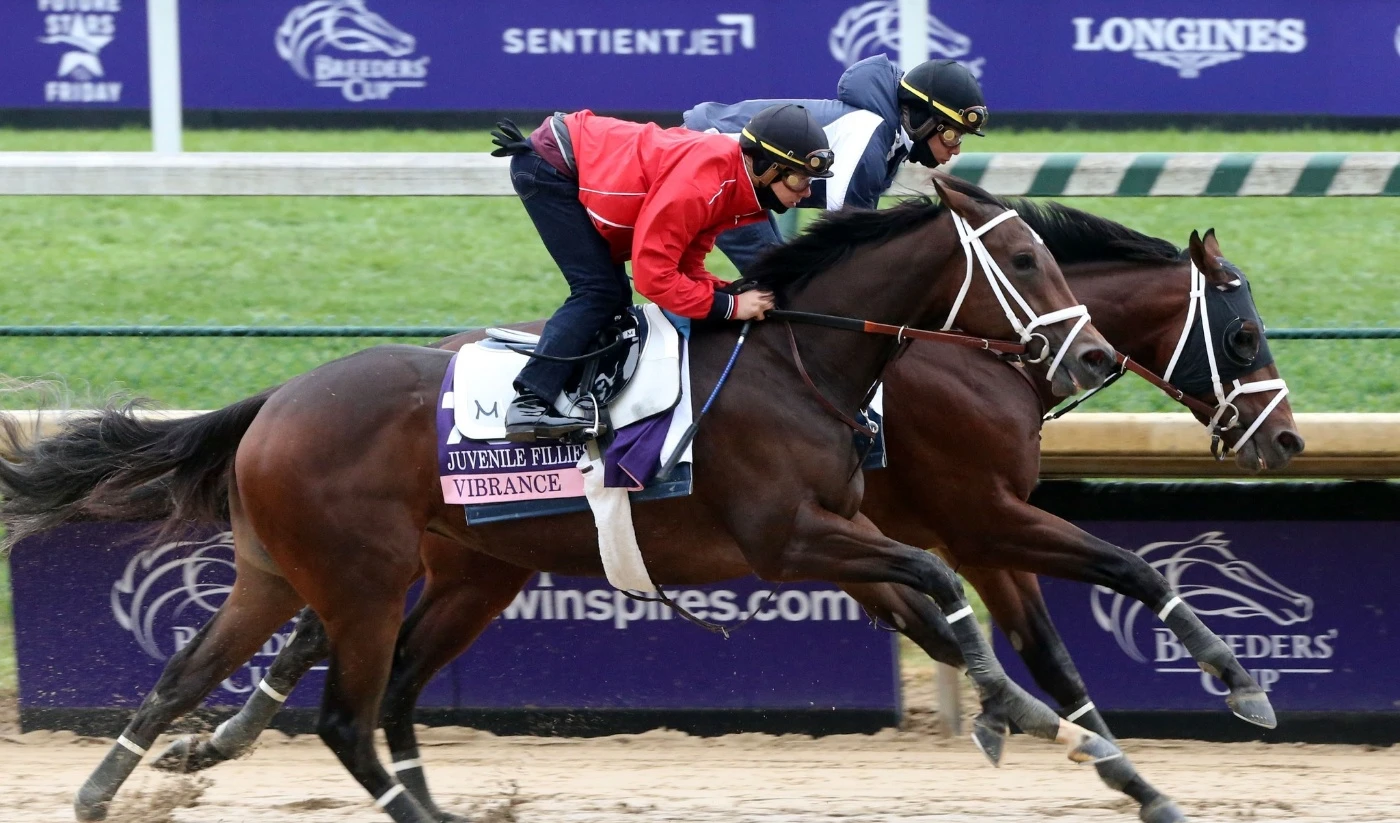
ATR-recommended Bushwacked closed well in his debut to finish third at Gulfstream on Saturday with a final time of 1:21.97.  Bushwacked was purchased for $130,000 at OBS February.

Stallion Watch 2010

Eurosilver fails to sire a single stakes horse from first

70 starters, lands at top of 6-10k category.

It's that time of year again where we sift through the 2010 fees and identify the best and worst values in the stallion market.  If you agree or disagree with anything you see in Stallion Watch, we'd like to hear from you. To email us, click here. Today, we'll look at some of the worst values among stallions standing between $6,000 and $10,000.

1. Eurosilver ($6,000 Dromoland Farm) - Could not be off to a worse start. Lacks a single stakes horse while posting a .54 AEI.  Current stud fee is off-the-charts bold considering his 09 yearlings had a median of just $6,500.  Surprised he isn't in Pennsylvania already.

2. Eddington ($7,500 Claiborne Farm) - While it's not impossible for this guy to stage a turnaround, it's unlikely considering he's only posting a .64 AEI at this point and he doesn't have a single runner to go over the 50k mark.  Ultra risky investment.

3. Roar of the Tiger ($6,000 Hartley/Derenzo Walmac South) - 23 yearlings in 2009 averaged a paltry $5,243 with a median of $2,000... making his 2010 fee one of the boldest we've seen in a while.  Track performance doesn't help his case either considering he has just one stakes winner from 101 starters.

4. Chapel Royal ($10,000 Signature Stallions) - Gets a lot of early winners, but few of them go on to do much.  Just 3 stakes winners from 171 starters and an AEI just barely above the breed average.  Much more appropriate for the $2,500 price point.

5. Sligo Bay ($6,000 Adena Springs/Gardiner Farms Limited) - Definitely has a chance at settling in as a useful sire, but needs his fee cut in half while sporting a .68 AEI/CI deficit and getting only 3.3% stakes winners from starters.

For all categories, click here


Bruce Lowe’s Figure System

19th Century theory struggles when put up against modern technology

     Classification systems are not synonymous with substantiated theory.  Theory and class are meant to be exclusive of one another with classification systems acting as a mechanism by which information can be organized during theory development.  To interchange the two can only lead to a false validity, even in scenarios where the classification system accurately describes various elements of a phenomenon.

     The majority of established Thoroughbred breeding theories are geared more towards practical applications of making the best buying and mating decisions.  Nicking attempts to identify sire lines with an affinity for one another so that breeders can make better breeding decisions. Dosage attempts to quantify stamina and speed influences within a pedigree to assist breeders aiming for a particular type of individual, while biomechanical advocates look at body measurements as a means of choosing the best investments.

     All of these breeding theories have gone beyond classification and have attempted to develop practical applications for breeders. Their effectiveness has certainly come under intense scrutiny, but at the very least, an attempt to move from classification to practical theory has been made by its purveyors. Of all the theories discussed in pedigree circles, there is one that arguably never made the leap to practical application: Bruce Lowe’s Figure System.  For the complete article, click here


Conformation Study Concludes, Figures Point to Pitfalls Associated with Ignorning Pedigree

     Back in 2006, we wrote about how market dynamics had placed growing importance on the physical specimen and less on the catalog page. While we certainly believe in the importance of conformation when selecting yearlings, we suspected that the tendency to ignore paper credentials was growing disproportionately.

     In an effort to replicate a 1997 study that pointed to the over utilization of the conformation variable, or perhaps to illustrate the need for further research, we compiled a list of yearlings from the 2006 Keeneland September Yearling Sale that had clearly sold for amounts in excess of their paper credentials (for our purposes, three times the sire's average yearling price for all sales).  The resulting 23 yearlings were monitored through the end of their three year old seasons to get a cumulative result for yearlings most likely selected for their conformation rather than their catalog page.

     The results not only supported the 1997 study, but actually painted an even more bleak picture for those who completely ignore a yearling's catalog page.  Horses from our study group didn't amass a single stakes win among them, and visited the winner's circle at a measly 9.7% clip.  And while they were purchased at an average price of over $126,000, their average earnings per starter came in at a paltry $10,621.

     For a complete analysis of study results, click here.


Nicking Distributions and

Comparative Usefulness

True Nicks edges E-Nicks in Keeneland September analysis


     Most descriptive statistics aimed at categorizing a population will form a bell-shaped curve of distribution, meaning most values gravitate towards the center (or average), while fringe values that deviate from the average will migrate in both directions from the more populus center.  Seldom are there perfectly bell-shaped distributions, but equally seldom do we find gross distortions of the bell curve if the intervals are properly assigned.


     For years, skeptics of the nicking sciences have suspected that the distribution of assigned letter grades is anything but a standard bell curve.  Casual observation led most of us to believe that computerized nicking systems had skewed the grades to cast most hypothetical matings in a favorable light.  The obvious benefit to the purveyors of nicking would be to claim responsibility for accurately predicting a large number of successful matings.  Though we had our suspicions, there hadn’t been any independent research to

"Casual observation led most of us to believe that

computerized nicking systems had skewed the grades to

cast most hypothetical matings in a favorable light."

support our opinion.  With the debut of True Nicks in 2008, we became even more curious how their distribution compared with Jack Werk's E-Nick system.  True Nicks has claimed in their advertising that their competitors engage in grade inflation ("If everyone gets an A, is it really an A?").  True Nicks has also attempted to distinguish itself as a function of analyzing the entire population.  E-Nicks has never claimed to study the dynamics of all live foals, just varying subsets of the stakes population.


     Often times, an empirical project begins and ends with very different objectives, as was the case here.  Originally, we had set out to go back in time (namely, the 2005 Keeneland September Yearling Sale) and identify yearlings where one nicking system had given a significantly higher rating than the opposing system, and vice versa.  From there, we intended to fast forward time and see which system had predicted racetrack success with better accuracy.


     First, we had to define our methodology.  We obviously had to limit our sample yearlings to those sired by stallions that were currently available on both company’s web sites.  We also needed to stabilize as many variables as possible without eliminating a large portion of the population.  In order to avoid stacking one side with a disproportionate number of sires that eventually failed and were exiled from central Kentucky, we narrowed our search to (for the complete article, click here)


Cost Effective Research


     Twenty years ago, breeders wanting to make an informed bloodstock decision had few options.  Outside of a fax or snail mail from The Jockey Club, breeders had little to rely on when making decisions that could impact their program for years.

     Of course, times have changed and astute breeders have a multitude of options in front of them, many of them more cost-effective than the traditional information pipelines.  With minimal diligence, breeders can put information in front of them that quickly weeds out poor racing and breeding prospects.  Some of these methods are obvious and currently in use by many industry professionals, while others are less obvious and seldom used.

     The two most commonly used resources, Equine-Line and Bloodstock Research Information Services (B.R.I.S.) provide investors with a wide array of products services ranging from catalog style pedigrees to detailed race records. However, both services are less than cost effective when used on a regular basis, particularly for small breeders on a budget.  Fortunately, the explosion in information technologies has created several options for (for the complete article click here. ATR clients only)


The ATR Durability Index

     In an effort to help our clients and readers better assess a sire's ability to get sound and durable offspring, we've devised the ATR Durability Index, an objective system for evaluating the longevity of a stallion's foals as a function of multiple variables.

     In recent years, The Jockey Club and various trade publications have published sire lists based on average number of starts per foal/starter, and while these are certainly the cornerstones of evaluating soundness, they are merely a starting point for a full analysis.  These lists fail to take into account the racing class of a sire's progeny and how they may be impacting a sire's statistical profile.

     For our system, we incorporated what we felt were the four most important descriptive statistics when studying soundness: 1) percentage of starters from live foals, 2) average number of starts per starter, 3) average earnings per start, and 4) relationships between AEI/CI and SI/ComSI systems (click here for a detailed explanation).  These four variables were weighted accordingly:

Variable Percentage Scale (representing 0 to 100 percent)
% starters from foals 34.6% 65 to 95
Avg. starts per starter 26.9% 9 to 26
Avg. earnings per start 26.9% 2,000 to 12,000
AEI/CI, SI/ComSI analysis 11.5% -40 to 20

     It's not enough to simply pull together the correct statistics.  For a system to be useful, the different variables must be weighted so that the end result is a distinguishing index that gives users an accurate view of a sire's influence.  Additionally, each variable has to be (for the complete article and current stallion rankings, click here)


Kentucky Icons Blow Cover, Demonstrate Reluctance to Create Meaningful Change

    With all the talk in recent months surrounding the welfare of the thoroughbred, much of the dialogue has been quietly and discreetly shifted away from the core issue of genetics.  Rather than dealing with what has truly led to an increasingly fragile thoroughbred (genetics and the irresponsible breeding practices of commercial breeders), our industry has chosen instead to deal with peripheral issues such as medications, whips, steroids, and racing surfaces.  Even the most primitive forms of logic recognize the latter issues are less significant if we can unite as an industry and create rules/incentives encouraging the production of more durable racing stock.

     Recent comments by John Sikura of Hill 'n' Dale Farms, Bill Casner of WinStar Farm, and Robert Clay of Three Chimneys Farm point to a clear resistance on the part of Kentucky's larger breeding farms to enact sweeping changes in the way breeding stock is selected and utilized.

     In a letter to the editor of The Blood-Horse magazine, Sikura sums up his view of necessary industry reforms: "Let's work together (for the complete article, click here)


Racing Credentials vs. Family

Ties in Stallion Prospects


     Aside from mare selection, no other decision impacts a breeder’s chances for long term success than choosing the right stallion.  Even in scenarios where breeders make prudent decisions in all other aspects of their program, it can be all for nothing if the wrong stallion is being utilized.

     There a dozens of variables that go into selecting stallions, ranging from the more practical (such as conformation) to the arguably more theoretical (nicking or dosage), all of which have been hotly debated for generations.  Certainly though, two of the more intensely debated variables are the importance of racing ability versus a strong female family.

     Few will argue that both of these variables are important and desirable.  Where the debate begins is when breeders are asked to differentiate the two variables according to importance.  At one end of the debate, pedigree pundits, by their very nature of being intrigued by genetic patterns, argue that a strong female family will take a stallion further than just racing credentials.  Conversely, those breeders who tend to stick with the first 1-2 generations (for the complete article, click here. ATR clients only)


Conformation vs. Catalog

Has the pendulum swung too far in favor of conformation?

     Back in the mid to late 1980’s, the spending habits of D.Wayne Lukas changed the landscape of the American yearling market.  Prior to his influence, American buyers focused primarily on the catalog page, with conformation a secondary consideration.  Consignors with yearlings by top sires and out of a stakes producing dams could almost bank on a profitable year.  Those with barren catalog pages usually came out near the bottom of the market.

     The Lukas influence persists today, engrained further into the spending habits of American buyers by the growth of the pinhooking market.  Pinhookers developed their own version of Lukas’ legacy, a version that drives a large portion of today’s market. 

     But has the overwhelming preference for conformation gone too far?  Are there instances where a buyers’ passion (for the complete article, click here)


Cost-Cutting for

Commercial Breeders

     With the rapid rise in North American stud fees and other forms of overhead expenses in recent years, healthy profit margins within the commercial sector of the thoroughbred industry are becoming harder and harder to come by.  Investors have resolved themselves to the fact that many of their investments will yield a loss upon re-sale, and that one or two home runs will be required to save the bottom line.

     When industry analysts discuss the economic dynamics within the commercial breeding industry, it is usually done in terms of the larger numbers.  And while these numbers are the biggest pieces of the pie, there are other methods for cost-cutting that can add thousands of dollars to the year end numbers of a

commercial breeding program.

"For some, the reluctance to analyze certain operational costs stems from a paradigm within the industry where certain costs are fixed and questioning them is a breach of etiquette."

     Though many bloodstock investors have been able to implement effective cost-cutting methods in the corporate world, few spend the time to develop and implement similar methods into their thoroughbred investment portfolio.  For some, the reluctance to analyze certain operational costs stems from a paradigm within the industry where certain costs are fixed and questioning them is a breach of etiquette.  But for those investors who don’t enter the industry with large amounts of capital, failure to devise effective cost controls is more than a breach of etiquette.  It can be a first class ticket out of the industry altogether.

     This week, we’ll look at ways for commercial breeders to... (for the complete article, click here).


Understanding 'Value'

in Stallion Fees

     Language concerning the concept of value is used freely and loosely throughout our society. Usually, such language is, at best, ambiguous, and rarely does it delve into the specifics of what defines 'value'.  From automobiles to mutual funds, everyone claims to be selling something with extraordinary value, although few bother to substantiate such claims.

     These days the same semantics are working overtime n the breeding industry, especially in relation to stallion markets. Industry periodicals are littered with advertising claiming a particular tallion offers mare owners extraordinary 'value' and a 'higher return on

"For the typical mare owner aiming for the sales ring

who invests $10,000 into a stud fee, the absolute minimum

threshold for profit is $26,610, after commissions are

paid to the consignor and the sales company."

investment.' Citing sales numbers and a myriad of statistics, stallion syndicates spend a lot of money trying to persuade us that there is money to be made if only we'd send our mares to their stallions. 

     So what exactly constitutes value in the breeding industry? And who defines it? Owners and trainers may define it in terms of winning percentages or opportunities at developing a stakes-quality runner. Commercial breeders are more likely to define value as a function of the rate of return on investment, although some of them may disagree on the specifics. As to who defines value, too often that's left to claims in stallion ads, when it could be better ascertained through a careful fiscal analysis by mare owners.

(For the complete article, click here)

  Breeding to Sell Breeding to Race
Stud Fee
$10,000
$10,000
Mare Depreciation (15%) $5,250 $5,250
Board (through Sept. of yrlg year) $9,360 $9,360
Breaking/Training   $7,800
Vet, farrier, insurance, etc. $2,000 $3,000
     
Totals $26,610 $35,410


BREEDING TO RACE:

THE TEN MOST COMMON MISTAKES

     The science of breeding racehorses is full of pitfalls, and few will argue that even the most astute breeders have difficulty avoiding them.  Those who have succeeded are able to identify these pitfalls as they relate to their particular program and implement strategies to safeguard their investments.  With the breeding season upon us, there is no better time to re-visit these pitfalls and the damage they have on breeding programs.  Whether they impact a racing program directly or indirectly, the effects are often lingering, and sometimes fatal.  This month, we’ll look at some of the biggest mistakes made by those who breed to race. (For the complete article, click here).


The Language of Numbers

     There is a language of descriptive statistics used in our industry to interpret, analyze, and at times, mislead investors.  Though a full understanding of these dynamics often seems daunting, there is a core group of statistics that if understood fully, will shed light on the majority of potential pitfalls and quickly help breeders sift through the hypeand improve the performance of their bloodstock portfolio.   By understanding these building blocks of the language, breeders can make significantly better decisions in all areas of their breeding program.  For the purposes of this article, we’ll address eight of the more commonly used statistics.

Average Earnings Per Starter  -  One of the most commonly used statistics to describe the earning power of a sire’s progeny, it is also one of the least discriminating and most easily skewed of all the numbers used in stallion advertising.  A very simple computation, it is derived by taking a sire’s total progeny earnings and dividing it by the number of starters.  Mildly effective as a starting point for stallion evaluation, a sire’s average earnings per starter allows mare owners to get a general idea of how a sire compares to his counterparts.  But because such a large portion of the stallion population

"By understanding these building blocks of the language, breeders can make significantly better decisions in all areas of their breeding program."

falls into the $25,000 - $40,000 average earnings range, this is frequently a non-descriptive statistic for sires, and tells mare owners very little.  Also, this statistic is subject to being heavilyskewed by the sire’s top earner, best illustrated in the case of Skip Trial, where Skip Away accounts for nearly 30% of his total progeny earnings.  Knowing this, Skip Trial’s average earnings per starter of... (click here for the entire article)


A Critical Look at Nicking

“The mythology surrounding the breeding of Thoroughbreds is pervasive. A few of

these myths are the astonishing stupidity of the dosage system, the absurd overemphasis on the female family, and the irrational belief in the validity of nicks.”

                   -  John R. Gaines, founder of Gainesway Farm and The Breeders Cup

  Few breeding theories have permeated the psyche of the American breeder more than nicking.  Nicking pundits have turned this phenomenon into a financial windfall, and more importantly, a concrete paradigm that has effectively shielded itself from critical review.  Yearling buyers are not immune from this trend either, forcing many breeders to check the nick ‘rating’ as they plan their commercial matings each year.  It has become a self-perpetuating cycle that shows no signs of slowing down.                 


      While we are not willing to discard the underlying theory              John R. Gaines

altogether, the current methodologies used to create the nicking

craze certainly deserve a thorough and  critical look.  Most will look to nicking’s close relationship with the computer and lend it credibility without applying any type of critical analysis that may uncover... (click here for the entire article)


Evaluating Soundness in a Sire's Progeny:

Use of the AEI/SI Comparison


     Few issues wreak more havoc on an owner’s bottom line than the soundness of his horses.  The slightest of injuries can add thousands of lay-up dollars to an owners bill, and more serious injuries that end a horse’s career can be catastrophic to an entire program.  And yet, soundness in breeding stock is one of the least scrutinized topics by mare owners as they make their breeding plans each year.   Traditional methods for evaluating soundness in a sire’s progeny have included percentage of starters from foals and number of starts per foal, though there hasn’t been a push to develop more advanced measures.

     Another method of evaluating the durability of a sire’s progeny involves a comparing and contrasting of his Average Earnings Index

(AEI) and Comparable Index (CI) to his Sire Index (SI) and Comparable Sire Index (ComSI).  In order to understand the importance of these comparisons, it is first important to understand each statistical acronym.

     The AEI was developed by the late Joseph Estes during his time as editor of The Blood Horse.  A numerical index where 1.00 represents the average for the breed, the AEI tells us the earnings for any horse relative to his or her peers during the same year.                                   In Excess (Ire)                                                                                 

     For example, if the average earnings for a five year old mare during 2004 was $10,000, and your five year old mare had earned $15,000 during the same year, her AEI would be 1.50.  The obvious flaw with the AEI is that it fails to take into account the number of starts made by each individual.  Durable horses are more likely to push their AEI up simply by making more starts.  Fragile horses are at a disadvantage in that their lower AEI is merely a function of fewer earnings opportunities. (click here for the entire article)


The American Yearling Market:

Irrational Psychology

     Several years ago, while completing an internship at a major California breeding farm, one of my responsibilities was to show the stallions to prospective clients.  One day, a gentlemen arrived at the farm who was interested in seeing a recently retired Grade 1 winner that would reportedly stand for $40,000 during the upcoming breeding season. As I led the attractive colt out of his stall, you could see the excitement develop in the man's face.  Obviously contemplating the colt's potential for greatness as a sire, the man became almost giddy as he gave the colt a lookover. 

     As we continued on our tour of the stallion barn, I asked him about his breeding program and what kind of goals he may have.  He explained that he had a handful of mares at a nearby farm that he bred strictly for racing purposes.  He had no plans for

"We're addicted to the anticipation of what may be, and at times, we even perpetuate a strong disdain for proven commodities."

entering the commercial market.  When I learned this, I mentioned a successful, middle-aged sire at the farm who would stand the following season for less than a third of what the new, unproven colt would stand for.  His response has stuck with me ever since:

     "Well, yeah, but what fun is it to breed to a proven sire?"

     In one brief sentence, he summed up the psychological foundations of our industry:  We're addicted to the anticipation of what may be, and at times, we even perpetuate a strong disdain for proven commodities.  The possibility of getting in on a sire who will later become the next Danzig, regardless of the odds, is an integral part of the mind set that drives our business.  And as crucial as this psychology is to fiscal windfalls of some members of our industry, it is equally destructive to efforts aimed at recruiting new owners.


     Nowhere is this phenomenon more apparent than at the yearling sales.  Sires with the most important credential, proven progeny, are usually pushed to the middle and lower levels of the market in order to make room for the capital that will be spent to medicate this excitement we've developed for first year sires.  Agents and advisors will make a substantial portion of their income by... (click here for the full article)     


The Myth of the Female Family

      The late Joe Estes argued incessantly through out his writing career that a mare’s race record was the single most important predictor of future success as a broodmare.  In the 1999 compilation of his writings and speeches “The Estes Formula for Breeding Stakes Winners”, Estes writes “…regarding pedigree selection… it should usually be a minor accessory to individual selection, being permitted to sway the balance in makingdecisions which are fairly close on individual merit.”   Estes was a staunch believer in acquiring successful racemares, with female families and pedigree being minor considerations.

      On the other side of the debate, current icons in the industry like Seth Hancock argue for strong female families, more so than racing class.  In Edward L. Bowen’s book “Matriarchs: Great Mares of the 20th Century”, Hancock in scripts in the forward: “Generally, I believe... (click here for the full article)


Stallions Entering Stud Between 1994 and 1997:  Where Are They Now?

     Intuitively, most breeders know that the odds are stacked against a stallion ever becoming a long term success.  If asked, most of us can rattle of a long list of failures that were quickly exported from central Kentucky, usually landing in regional markets or foreign countries.

     The irony then occurs when we look at the enormous support first year stallions receive both in the breeding shed and the sales ring.  Each year, the list of most heavily bred stallions is littered with first and second year horses despite the knowledge that most of these horses will fail.  Case in point, during the 2004 breeding season, no horse bred more mares than... (click here for the full article)


For a listing of all available articles, click here


Home Page  -  Stallion Watch  -  Stallion Conformation Profiles   -  Breeding Consultations
Sales Consultations   -   Farm/Agent Complaints  -  Article Archives
Joseph A. Estes   -   About Us/Contact Us

All contents of this web site are © The American Thoroughbred Review